

Every movement you make, every sensation you feel, and every muscle contraction that keeps you upright depends on electrical signals traveling through your nervous system. This bioelectric foundation of human function has been recognized for centuries, but only in recent decades have we developed sophisticated technologies to harness electrical stimulation for therapeutic purposes. Electrical Muscle Stimulation (ESM) and related technologies represent a powerful, non-invasive approach to pain management and physical rehabilitation.
The Science of Bioelectricity
Your body is fundamentally an electrical system. Neurons communicate through action potentials—brief electrical impulses that travel along nerve fibers. Muscles contract when motor neurons deliver electrical signals to muscle fibers. Even your heart beats because of organized electrical activity in cardiac tissue.
When injury, inflammation, or dysfunction disrupts these natural electrical patterns, pain and impaired function result. Therapeutic electrical stimulation works by introducing carefully controlled electrical impulses that either restore normal signaling patterns or override dysfunctional ones. This can block pain signals, stimulate healing processes, retrain muscles, and promote tissue repair.
Types of Electrical Stimulation Therapy
Not all electrical stimulation is the same. Different modalities use varying waveforms, frequencies, and intensities to achieve specific therapeutic goals:
Transcutaneous Electrical Nerve Stimulation (TENS)
TENS units deliver low-voltage electrical currents through the skin to stimulate sensory nerves. The primary mechanism is the "gate control theory" of pain—by activating non-painful sensory nerves, TENS can effectively "close the gate" to painful signals reaching the brain. TENS is particularly effective for acute pain and can be used safely at home.
Electrical Muscle Stimulation (EMS)
Also known as neuromuscular electrical stimulation (NMES), this modality targets motor nerves to cause muscle contractions. EMS can prevent muscle atrophy in immobilized limbs, re-educate muscles after injury, improve strength, and enhance circulation. Athletes use EMS for recovery and performance enhancement, while rehabilitation specialists use it to restore function after surgery or injury.
Interferential Current Therapy (IFC)
IFC uses two medium-frequency electrical currents that intersect and interfere with each other, creating a lower-frequency current that penetrates deeper into tissues. This deeper penetration makes IFC particularly effective for treating joints, deep muscles, and chronic pain conditions that surface-level stimulation cannot reach.
Russian Stimulation
Developed during the Cold War era for Russian Olympic athletes, this high-frequency stimulation uses a specific burst pattern that allows stronger muscle contractions with less discomfort. It's particularly valuable for muscle strengthening and re-education when voluntary contraction is difficult or impossible.
How Electrical Stimulation Relieves Pain
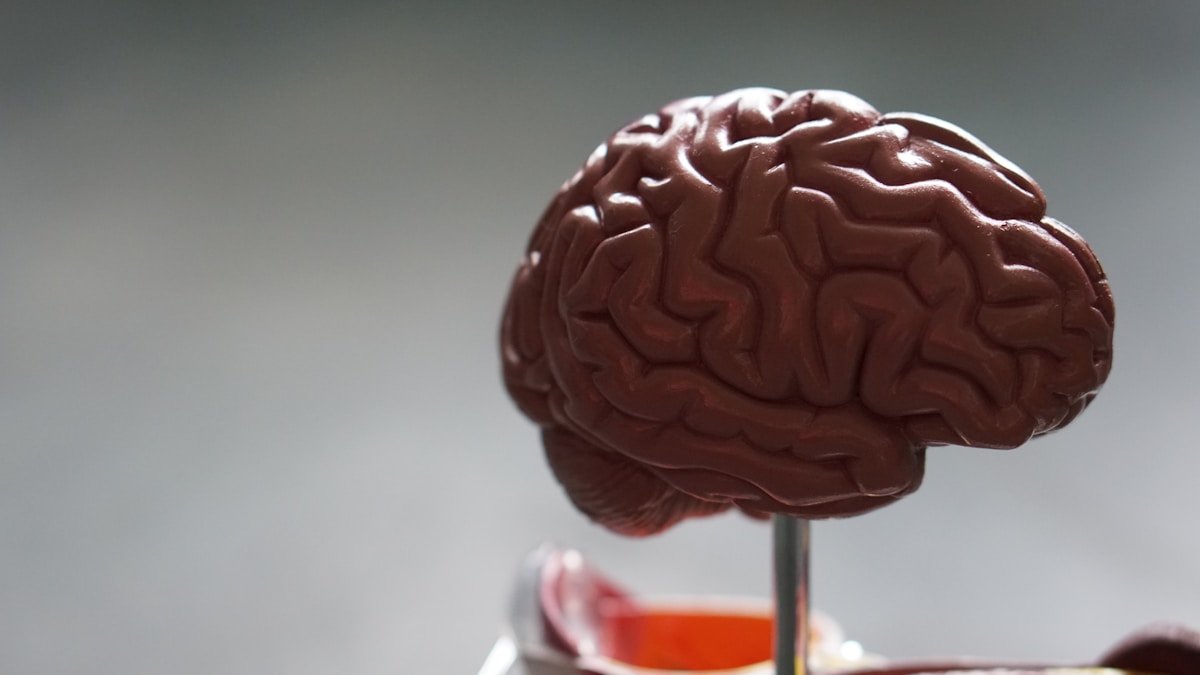
The pain-relieving effects of electrical stimulation occur through multiple mechanisms:
- Gate control: Stimulating sensory nerves activates inhibitory interneurons in the spinal cord that block pain signal transmission
- Endorphin release: Certain stimulation patterns trigger the release of endogenous opioids—your body's natural painkillers
- Improved circulation: Muscle contractions and vasodilation enhance blood flow, delivering oxygen and nutrients while removing inflammatory mediators
- Reduced muscle guarding: Electrical stimulation can relax hypertonic muscles that contribute to pain through tension and compression of nerves
- Neuroplasticity: Regular stimulation can help retrain the nervous system, reducing chronic pain sensitization
Applications in Modern Rehabilitation
Electrical stimulation has become an integral part of comprehensive rehabilitation programs for numerous conditions:
Post-Surgical Recovery
After orthopedic surgery, muscles often weaken from disuse and protective guarding. EMS prevents atrophy, maintains muscle memory, and accelerates the return to normal function. It can also help manage post-operative pain, potentially reducing the need for opioid medications.
Neurological Conditions
Stroke, spinal cord injury, and other neurological conditions can disrupt the brain's ability to activate muscles. Functional electrical stimulation (FES) can activate paralyzed or weakened muscles, allowing patients to perform movements that would otherwise be impossible. Over time, this can help rebuild neural pathways and restore voluntary control.
Chronic Pain Management
For conditions like fibromyalgia, arthritis, and chronic back pain, electrical stimulation offers a drug-free alternative or complement to medication. Regular sessions can reduce pain levels, improve sleep, and enhance overall quality of life.
Wound Healing
Certain electrical stimulation protocols can accelerate wound healing by increasing blood flow, stimulating cellular activity, and reducing infection risk. This is particularly valuable for diabetic ulcers and pressure sores that resist conventional treatment.
Safety and Considerations
While electrical stimulation is generally safe, it's not appropriate for everyone. Contraindications include:
- Pacemakers or other implanted electrical devices
- Pregnancy (over the abdomen or low back)
- Active cancer in the treatment area
- Impaired sensation that prevents feedback about intensity
- Open wounds or irritated skin at electrode sites
- History of seizures (for certain high-frequency modalities)
Proper electrode placement is crucial for both safety and effectiveness. Working with a trained practitioner ensures appropriate parameter selection and monitoring during treatment.
The Future of Electrotherapy
Electrical stimulation technology continues to evolve. Wireless systems, smart devices that adjust parameters in real-time based on physiological feedback, and combination therapies that integrate electrical stimulation with other modalities represent the cutting edge. Research into brain stimulation, vagus nerve stimulation, and other targeted approaches promises to expand the therapeutic applications of bioelectric medicine.
As our understanding of the body's electrical systems deepens, so does our ability to harness these principles for healing. Electrical stimulation represents not just a treatment for symptoms, but a way to work with your body's natural mechanisms to restore function, reduce pain, and optimize performance.
← Back to Articles